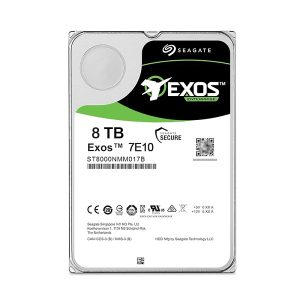
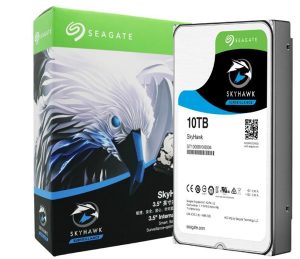
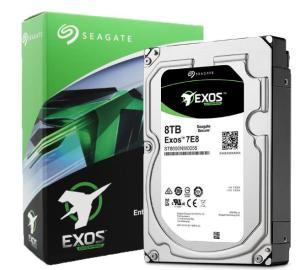
As global demand for high-capacity storage surges in early 2026, Seagate’s 36TB hard drives are dominating enterprise procurement discussions. With Q1 price trends showing a 12% YoY increase (according to TrendFocus), bulk buyers urgently need actionable insights to navigate this competitive market. Let’s break down the critical factors.
Why Seagate’s 36TB HDD Leads Enterprise Storage Solutions
Seagate’s Exos X36 series (model ST36000NM000J) delivers industry-leading specs:
- Helium-sealed design: 14% lower power consumption vs. 2025 models
- 2.5M hours MTBF: 40% improvement over 32TB predecessors
- 285MB/s sustained transfer: Optimized for RAID 6 configurations
Recent benchmarks from StorageReview show 36TB models outperform competitors in sequential workloads, handling 550 IOPS at 4K random reads – crucial for hyperscale data centers facing 2026’s 35% projected data growth (IDC).
Enterprise HDD Buying Guide: 5 Metrics That Matter in 2026
Procurement teams should prioritize:
- $/TB lifecycle cost: Current $18.50/TB (avg. for 10k+ units) with 5-year TCO models
- Workload rating: Seagate’s X36 supports 550TB/year – 20% above WD Ultrastar DC HC560
- Vibration tolerance: 12.5 rad/s² for dense 60-bay enclosures
- Secure erase options: TCG Opal 2.01 & Instant Secure Erase compliance
- Supply chain resilience: 8-week lead times for non-contract buyers (Q1 2026 market data)
SSD vs HDD: When Does 36TB Make Financial Sense?
While QLC SSDs now reach 30TB (Micron 6500 ION), our analysis shows HDDs dominate at scale:
| Metric | Seagate X36 HDD | Equivalent SSD |
|---|---|---|
| Cost per PB (1000 units) | $185,000 | $320,000 |
| Write endurance | Unlimited | 1DWPD |
| Cooling needs | 6W/disk | 14W/disk |
Cold storage and backup systems still favor HDDs – Seagate’s new Mach2 dual-actuator technology (coming Q3 2026) will further narrow performance gaps.