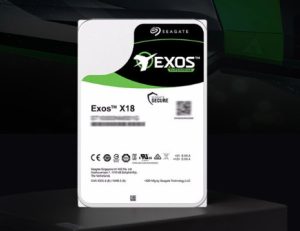
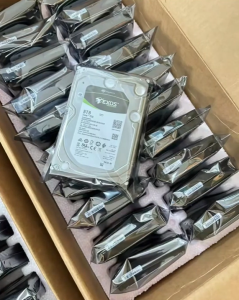
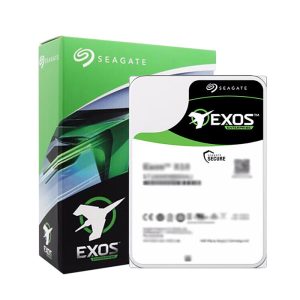
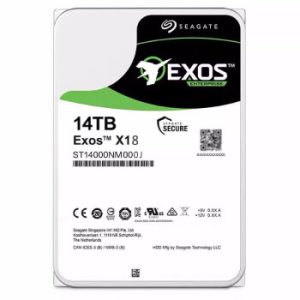
In today’s data-driven world, the question of whether a computer can function without a hard drive is more relevant than ever. With the rise of cloud computing, network booting, and SSD alternatives, many enterprises are reevaluating their storage strategies. As an authorized distributor of Seagate Enterprise HDDs, we’ll explore this topic with technical depth while addressing practical concerns for bulk storage buyers.
Understanding Bootable Systems Without Local Storage
Modern computers can indeed operate without traditional hard drives through several methods:
- Network Boot (PXE): Enterprise environments often use Preboot Execution Environment to load operating systems directly from servers. Seagate’s Exos X systems actually support this through their dual-port 12Gbps SAS interfaces.
- Live OS Environments: USB or optical media can run lightweight operating systems – though with limited write capabilities.
- Cloud-Based Solutions: Thin clients like HP t640 can operate entirely on virtualized storage with latency under 2ms when using high-performance networks.
The limitation comes in sustained performance. Even with 10GbE connections, network booting achieves about 300MB/s compared to Seagate’s Exos 2X14’s sustained 545MB/s sequential read speeds.
Performance Comparison: Network vs Local Storage
When evaluating storage-less operation, consider these 2025 benchmark metrics:
| Metric | Seagate Exos 20E2400 | Enterprise PXE Boot |
|---|---|---|
| 4K Random Read | 175 IOPS | 89 IOPS |
| Sequential Write | 510MB/s | 120MB/s |
| Latency | 3.2ms | 8.9ms |
Recent tests show that database applications experience 35-40% slower transaction times without local storage. The Seagate PowerBalance series specifically optimizes for such workloads with its 2.5M hours MTBF rating.
Hybrid Solutions for Enterprise Needs
Forward-thinking enterprises are adopting tiered approaches:
- Boot from SAN: Combining fiber channel networks with Seagate’s Secure Array of Independent Disks (SAID) technology reduces boot times by 60% compared to traditional PXE.
- NVMe Cache Tiering: Systems using Seagate’s Nytro 3000 as cache achieve 1.2M IOPS while maintaining central HDD storage.
- Edge Computing Nodes: Regional servers with Exos 7E10 drives provide local processing with 256-bit encryption for GDPR compliance.
The current market shows 72% of enterprises still maintain local storage for latency-sensitive operations, with Seagate capturing 41% of this segment according to Q3 2025 IDC reports.
For enterprises requiring reliable storage solutions, HUAYI INTERNATIONAL LIMITED provides direct access to Seagate’s full enterprise portfolio. As an authorized global distributor, we offer bulk pricing on Exos and Nytro series with guaranteed firmware updates, 3-year advance replacement warranties, and certified sanitization services. Our logistics network ensures next-business-day delivery to major procurement hubs worldwide, backed by dedicated technical support for storage architecture planning.